Istra · 45°06′N 14°01′E
About Barban
Home of our headquarters — and part of our story
Barbancommerce is more than a pin on the map. We operate from a fortified Istrian hill town with Bronze Age roots, the Venetian Loredan palace and the famous Race of the Rings. Here are facts and photographs from the public commons (Wikimedia Commons, CC BY-SA).
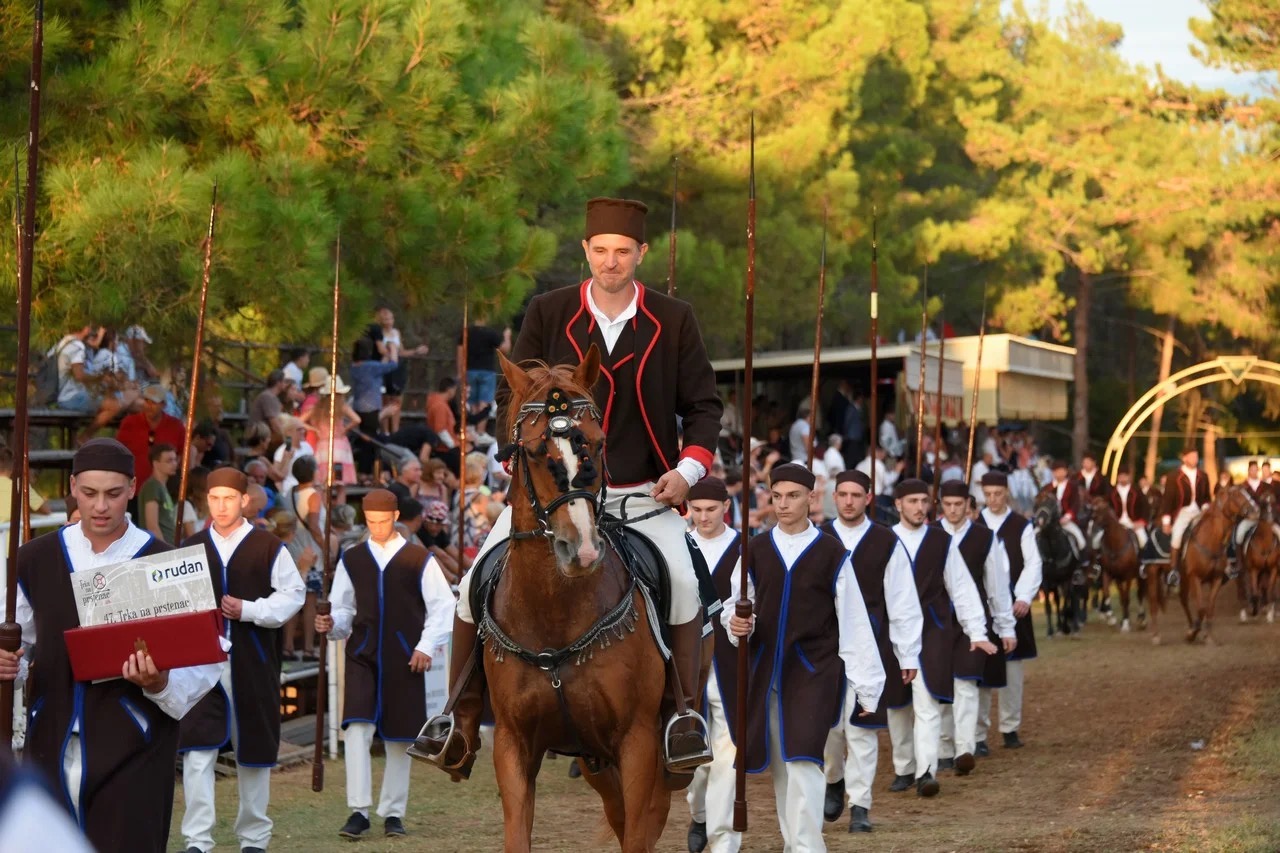
Hero photo: Nobility of Europe · CC BY-SA 4.0
The place
Barban in the heart of Istria
A small historic village on the plateau between Labin and Pula, overlooking the valley and the bridge on the Raša river. This fortified hill town is where Barbancommerce has built its business since 1990 — and the place still lives from farming, small trades and tourism: wine, figs and the Race of the Rings.
- Elevation
- ~229 m
- People in the municipality
- ~2.500
- Settlements
- 23
- People in the town itself
- ~220
Wikimedia Commons
Barban in pictures
Photos are freely available under Creative Commons Attribution-ShareAlike 4.0 — with credit to the authors.
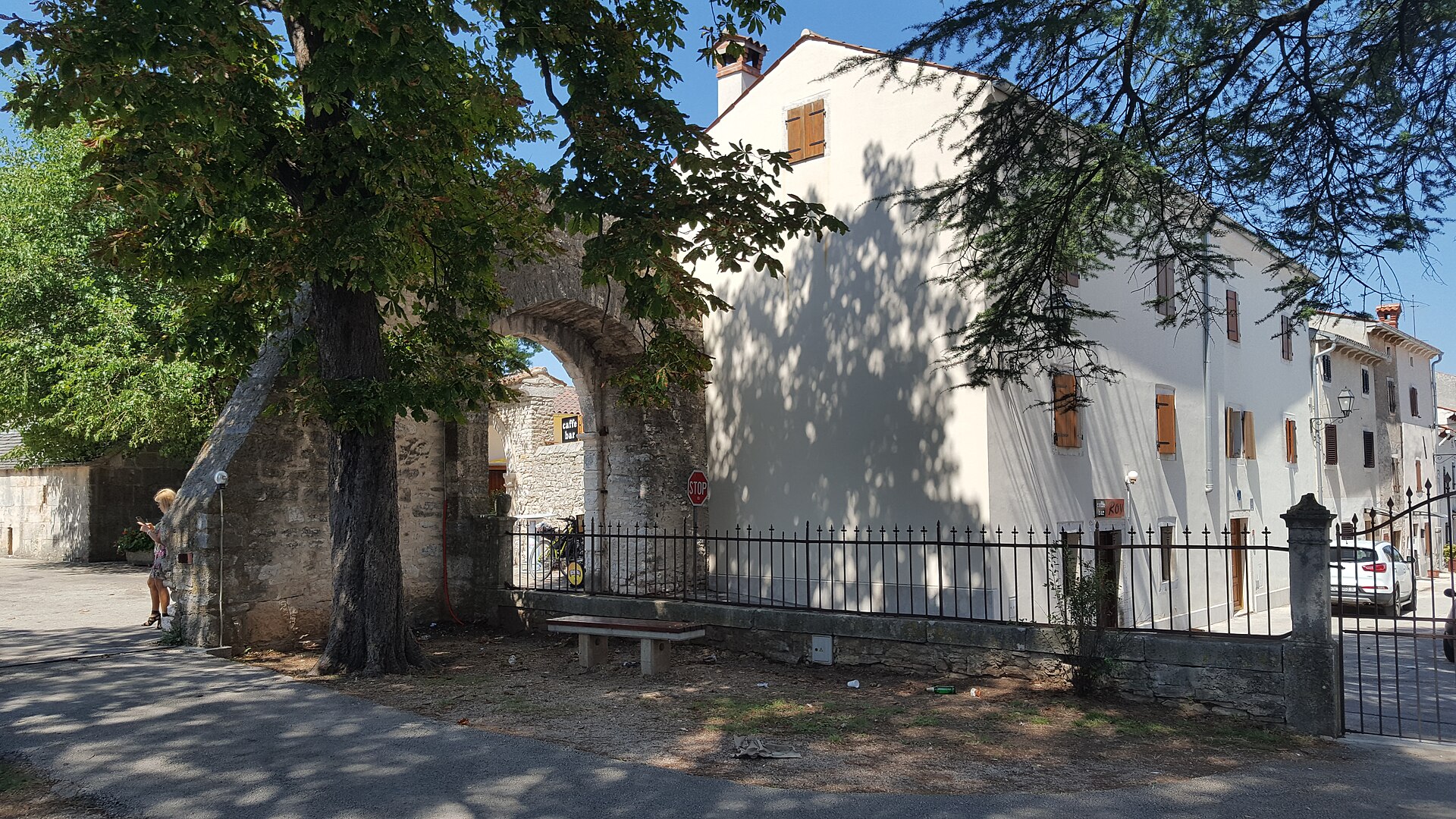
Entrance to the historic core — the Great Gate and stone square.
Photo: Wistula · CC BY-SA 4.0 · Wikimedia Commons
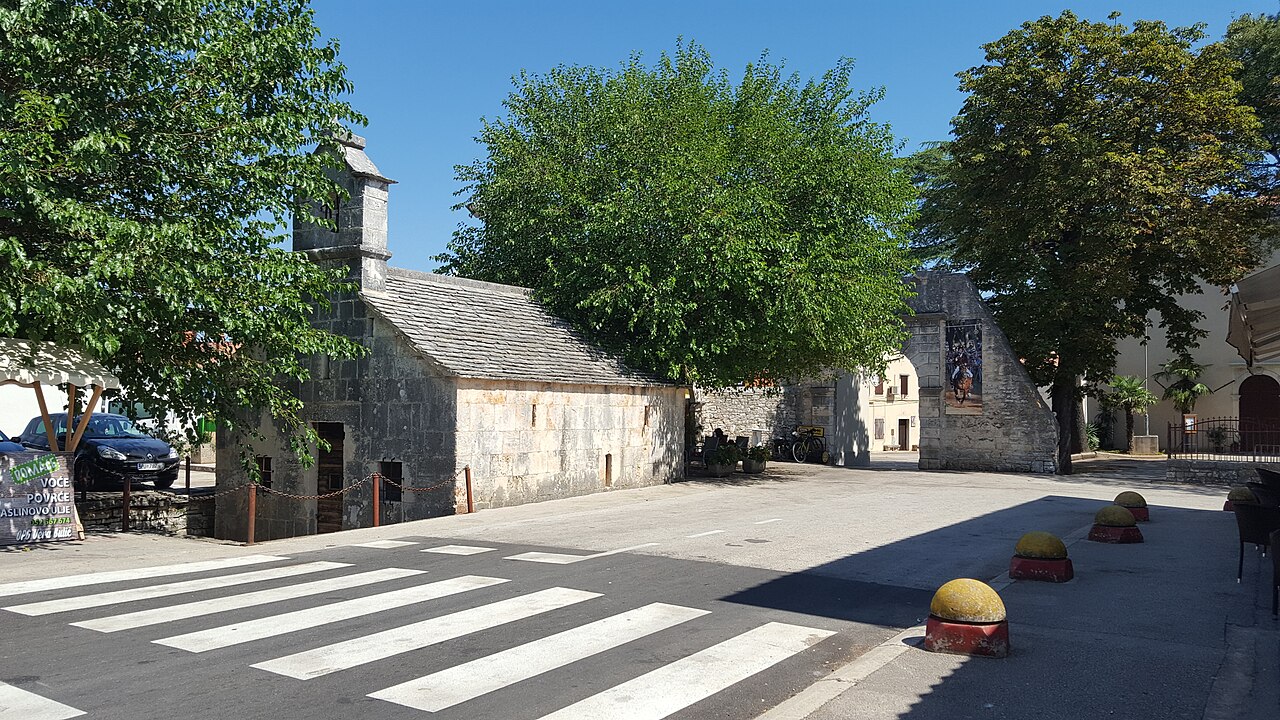
St Anthony’s church (15th c.) with frescoes — in front of the Great Gate.
Photo: Wistula · CC BY-SA 4.0 · Wikimedia Commons
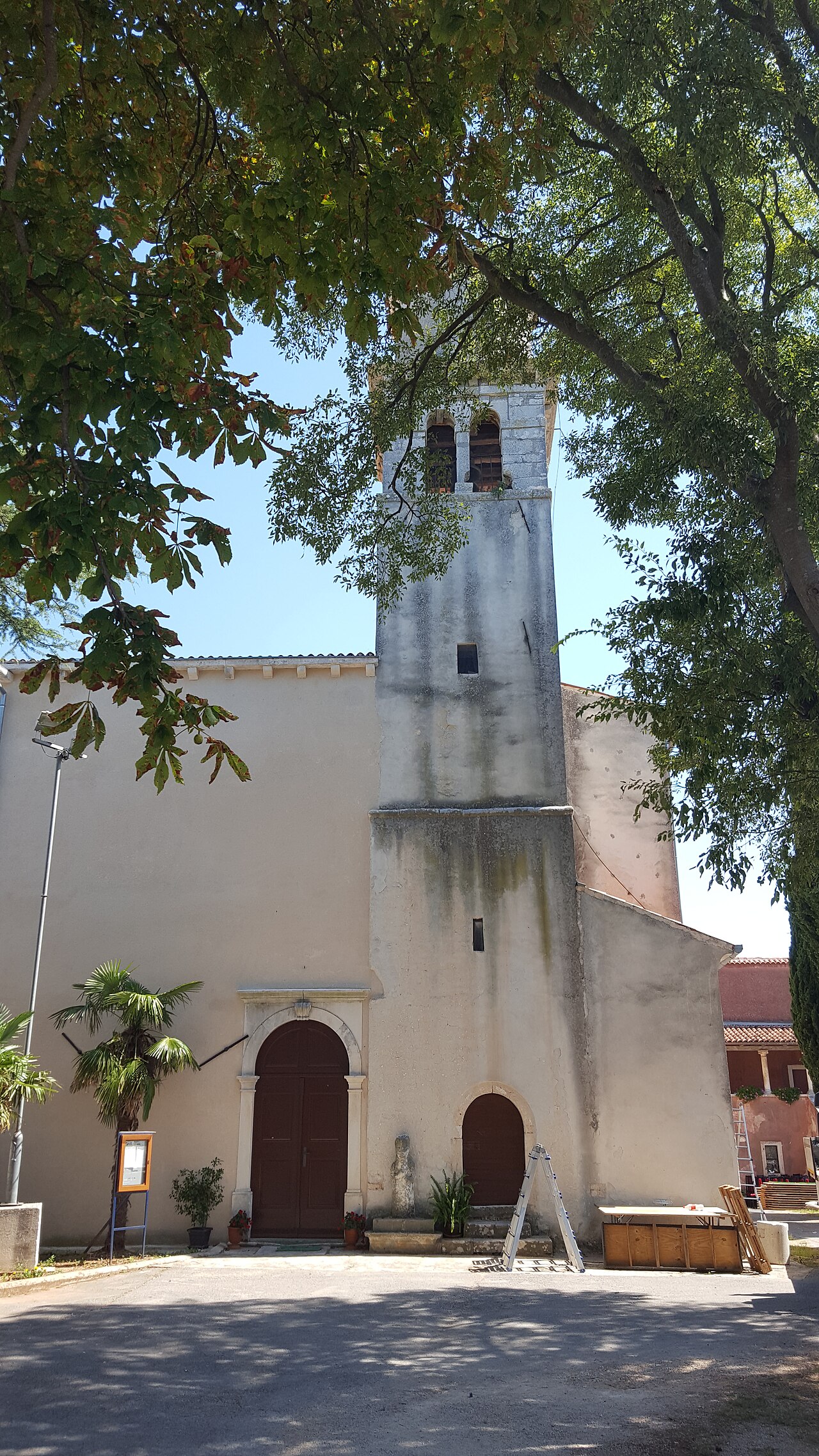
Parish church of St Nicholas — baroque altars and Venetian painting.
Photo: Wistula · CC BY-SA 4.0 · Wikimedia Commons
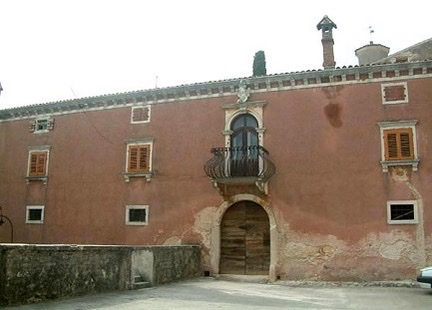
Loredan Palace — Venetian feudal lords from 1535.
Photo: San Marco Venice · CC BY-SA 4.0 · Wikimedia Commons
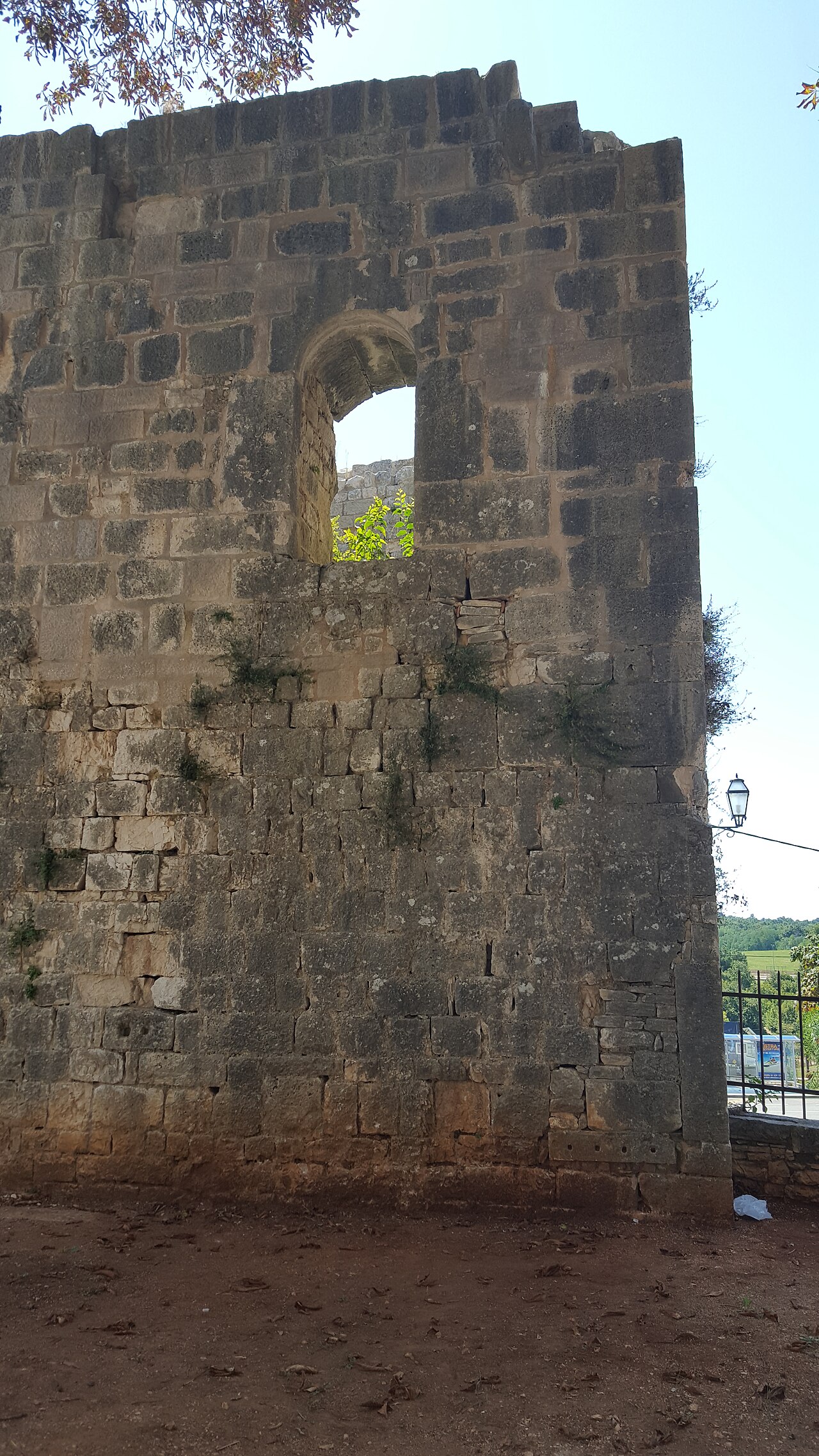
Fortification remains — Barban was a fortified hill settlement for centuries.
Photo: Wistula · CC BY-SA 4.0 · Wikimedia Commons
From the hill fort to the present
A Barban timeline
From a Bronze Age hill fort to Venetian lords, church squares and a revived knightly race.
c. 2000–1400 BCE
Bronze Age hill fort
On the rise stand remains of a hill fort 3,400–4,000 years old — the first trace of settlement on the site of today’s Barban.
740
First written name
The name Barban appears in written sources for the first time.
Middle Ages
Fortress of the lords of Pazin
Barban is a feudal fortress of the lords of Pazin — a walled hill settlement whose remains are still visible.
15th c.
St Anthony the Abbot’s chapel
In front of what later became the Great Gate stands the frescoed chapel — the threshold of the historic core.
1535
The Venetian Loredan family
The Loredans buy Barban and hold it until feudal rights end in 1869. Part of the fortress becomes their palace and bell tower.
1696
First Race of the Rings
At the free Pentecost fair on 10 June, feudal lord Francesco Loredan stages a knightly contest of spearing the ring.
1718
Great Gate and St Nicholas square
Through the Great Gate you reach the stone square and the parish church of St Nicholas — baroque altars and Venetian painting.
1771–1852
Pietro Stancovich
Canon Pietro Stancovich (Petar Stanković), Barban’s best-known figure, writes Biographies of distinguished Istrians.
1976
The Race revived
After 280 years, on 14 August at Istrijada the race runs again toward Gradišće. Research by Danilo Klen and copies by Josip Batel bring the contest back.
1990
Barbancommerce is founded
Aldo Verbanac founds Barbancommerce d.o.o. in the town itself — import and wholesale of agricultural and pest-control products, later a ZAPI partner. Headquarters and warehouse are still in Barban.
2016
Intangible heritage
The Race of the Rings is inscribed in Croatia’s Register of Cultural Property as intangible cultural heritage.
Living heritage
The Race of the Rings
A knightly horse contest older than the Sinj Alka: first recorded on 10 June 1696, revived in 1976 and protected as intangible heritage since 2016. In late August Barban lives again by horse, lance and ring.
Francesco Loredan, then the Venetian lord, staged the contest at the free Pentecost fair to draw townsfolk and nobles. Only a rider equipped as a warrior or knight could enter — horse, sword, boots, spurs and a broad-brimmed hat. The record fades after the race of 4 June 1703. Centuries later the game returned through copies by mayor Josip Batel, research by Rijeka historian Danilo Klen and Barban organisers: the first revived race was 14 August 1976, and the first winner was Vazmoslav Vale.
Today the course is at Gradišće. Festivities open with the flag-raising on Friday; Saturday is the Race for the vitica, and the climax is Sunday at 17:00. In the parade and on the track each rider has a lance-bearer. Sixteen Istrian-born riders take part (including Slovenian and Italian Istria), at least eight from the Municipality of Barban, in the folk costume of their home. Alongside: parades, folklore, wine and figs.
- Course
- 150 m · under 12 s · up to 55 km/h
- Ring and lance
- Ø 12 cm at 2.80 m · 3 m lance
- Scoring
- Centre 3 · above 2 · below 1 · side ½
- When
- Late August, climax on Sunday
TZ Barban
Sweets & craft
A wedding cake carried on the arm, and an 11th-century earring still worn as a local souvenir.
Barban cake
A round wedding cake with a hole in the middle — wedding-party leaders carried it on the arm. The couple break it: whoever draws the thicker piece becomes head of the house. It was also baked for likuf, when a house is put under roof. Yeast dough with eggs, olive oil, lemon, orange and rum; cut into triangles. In summer the Tourist Board presents it on the square.
Open on the Barban Tourist Board site ↗
Rančin earrings
A replica of an 11th-century earring found at Gradina near Barban — part of the costume of the early Croatian population of the Barban area. Originals are kept at the Archaeological Museum of Istria in Pula; the form is listed in the Register of Cultural Property. Today it is a local souvenir, beside better-known pieces such as Šibenik botun buttons.
Open on the Barban Tourist Board site ↗